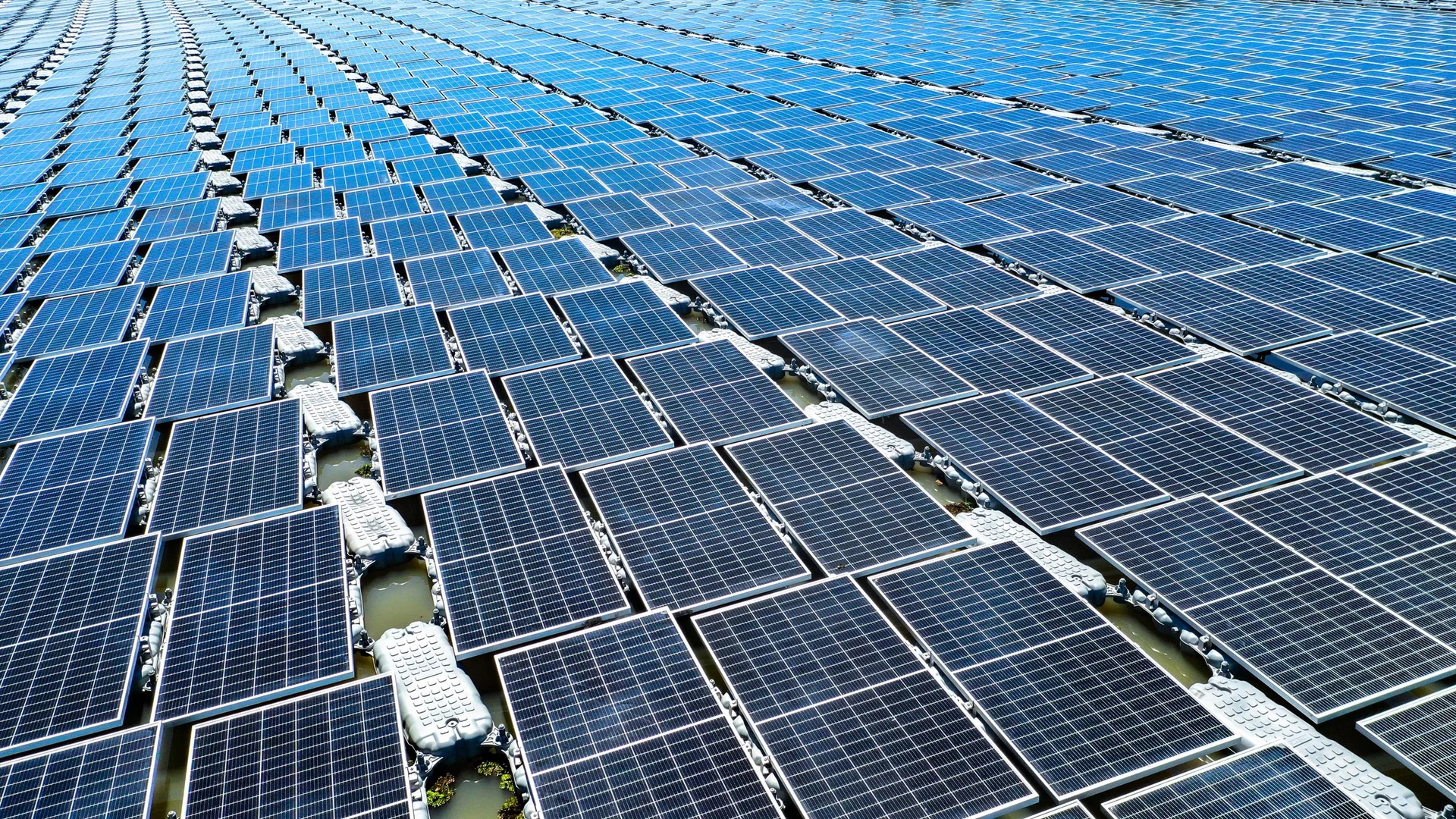
For architects, builders, developers and property owners planning solar as part of the building itself.
When solar belongs to the architecture
Rooftop solar in Bangalore does not always have to look like an addition placed on top of a finished building. With BIPV and architectural solar, the solar element can be considered alongside the building's form, materials, surfaces and energy requirements from the beginning.
This approach is suited to projects where appearance and energy generation need to be considered together. It can be relevant for new buildings, commercial properties, residential developments and architectural projects where the roof or building envelope is part of the overall design language.
AMRO Renewables looks at solar as a system to understand, not simply a set of panels. That means considering the available surfaces, electrical requirements, site conditions and architectural intent before deciding how solar should be integrated.
The result is a more considered relationship between the building and its energy system. Solar becomes part of the planning conversation rather than something added at the end.
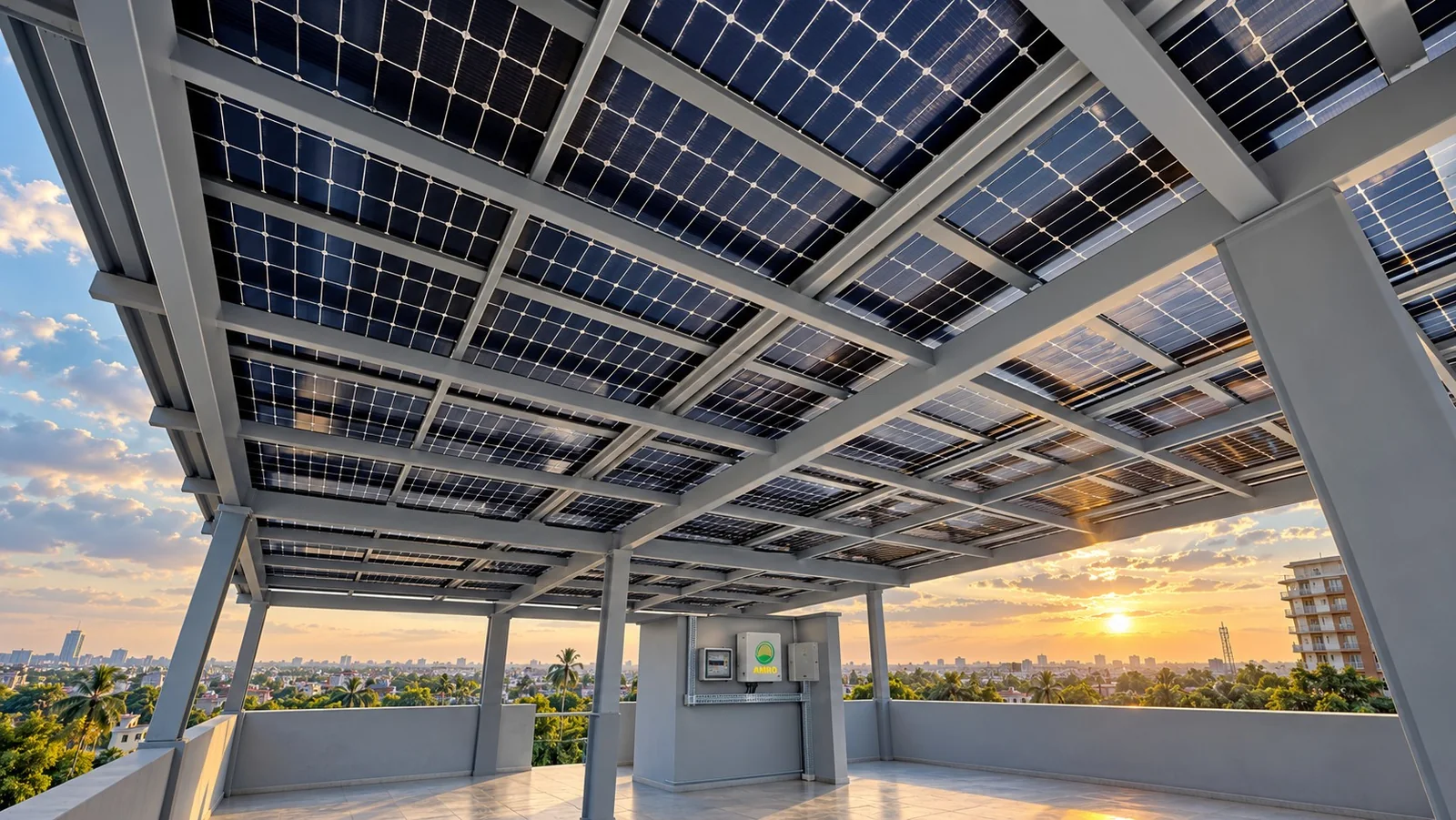
How it works
BIPV, or Building-Integrated Photovoltaics, brings solar generation into the architectural planning of a building. Instead of treating the solar installation as a completely separate element, the design can consider where photovoltaic surfaces can sit within the building's form.
The process starts with the building. Roof geometry, available surfaces, orientation, shading, access and the existing or proposed electrical infrastructure all need to be understood. Architectural drawings and design intent can also help shape the technical discussion.
A solar roof may be planned as part of the overall rooftop design, while other architectural solar applications can be considered where the building allows them. The objective is to find a practical relationship between appearance, available surface and electrical requirements.
A roof top solar system still needs proper electrical integration. Generation, wiring, protection equipment, metering and the property's electrical system must work together.
AMRO can support the process through solar consultancy, installation and testing. The technical system and architectural requirements are considered together rather than in isolation.
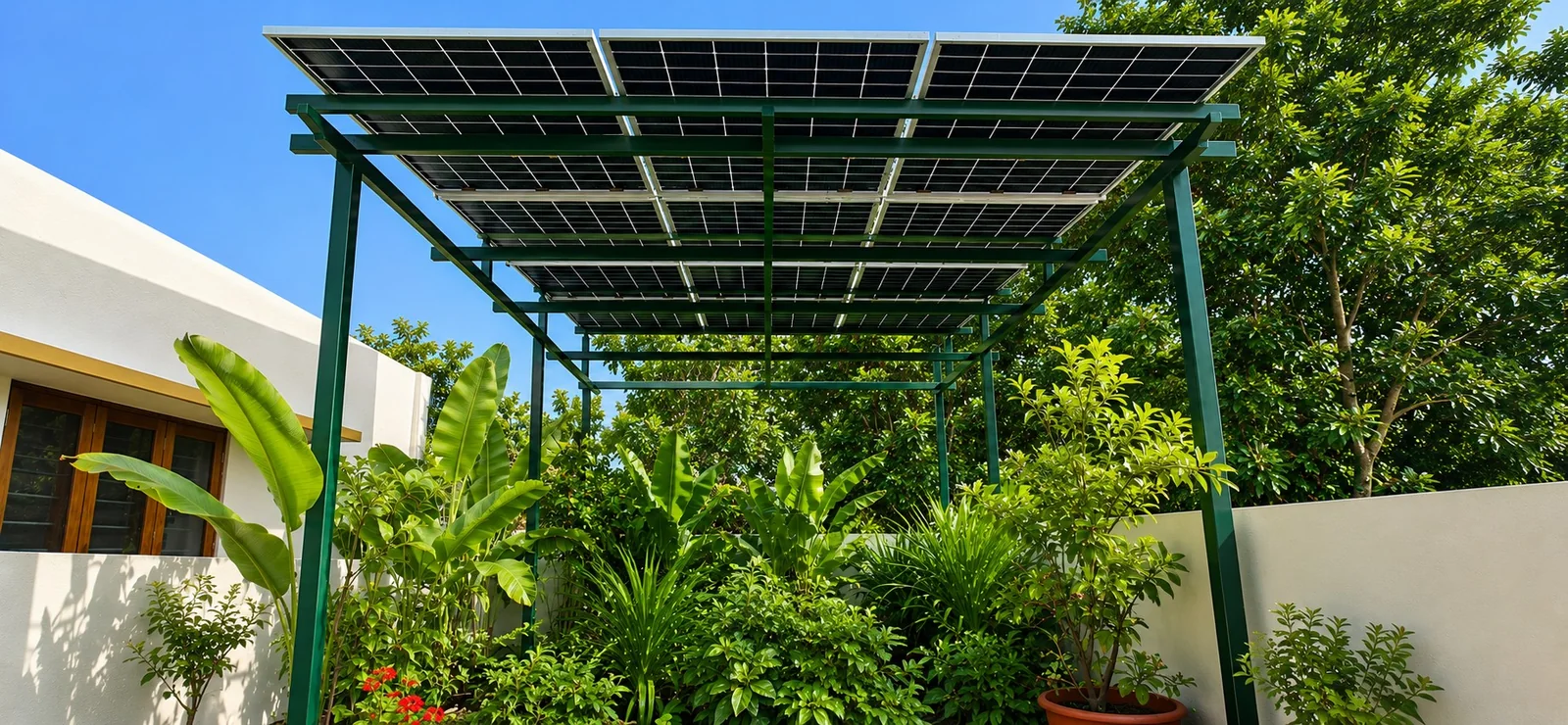
What architectural solar can bring
- Solar that belongs to the buildingThe solar installation can be considered alongside architectural form instead of being treated as an afterthought.
- A cleaner design conversationArchitects and project teams can discuss energy generation while making decisions about roof forms, surfaces and building appearance.
- Better use of available surfacesThe assessment can identify suitable areas for solar while considering shading, orientation, access and existing design elements.
- A balance between form and functionThe technical requirements of solar remain important, while the visual character of the building is kept in the conversation.
- Useful for new and planned projectsEarly consideration gives architects, builders and developers more opportunity to coordinate solar with the building's design and electrical planning.
- A system that is tested and understoodAMRO's work extends beyond installation to testing and consultancy, helping connect the architectural idea with a functioning energy system.
What to bring to the conversation
For a new project, architectural drawings, roof plans and information about the proposed electrical system are useful starting points. The design team should also share any important requirements around roof appearance, materials, access or building form.
For an existing property, recent electricity bills and details of the electrical connection can help establish the energy side of the discussion. Photographs or drawings of the roof and building surfaces can also provide useful context.
It is worth identifying the project's priorities early. Is the main focus energy generation, architectural integration, rooftop use, or a combination of these? A clear discussion helps the technical and design teams work from the same brief.
AMRO can then assess the site and discuss how solar could be incorporated into the building's wider design.
Frequently asked questions
What is BIPV in solar architecture?
BIPV stands for Building-Integrated Photovoltaics. It refers to solar technology that is incorporated into a building's architectural design rather than treated only as an external installation.
Can rooftop solar be part of a building's design?
Yes. Solar can be considered during architectural planning so that roof form, available surfaces, electrical requirements and the visual character of the building are considered together.
What makes a good solar roof?
A suitable solar roof depends on factors such as available area, orientation, shading, structural conditions, access and electrical requirements. These should be assessed together before deciding on the installation approach.
Can architectural solar be planned for an existing building?
It can be explored for an existing property after assessing the available surfaces, building conditions and electrical infrastructure. The appropriate approach depends on what the building can practically accommodate.
Let the architecture make room for the sun
Good solar design begins before the panels arrive. Talk to AMRO Renewables about a site survey or consultation and explore how solar can belong to the building itself.